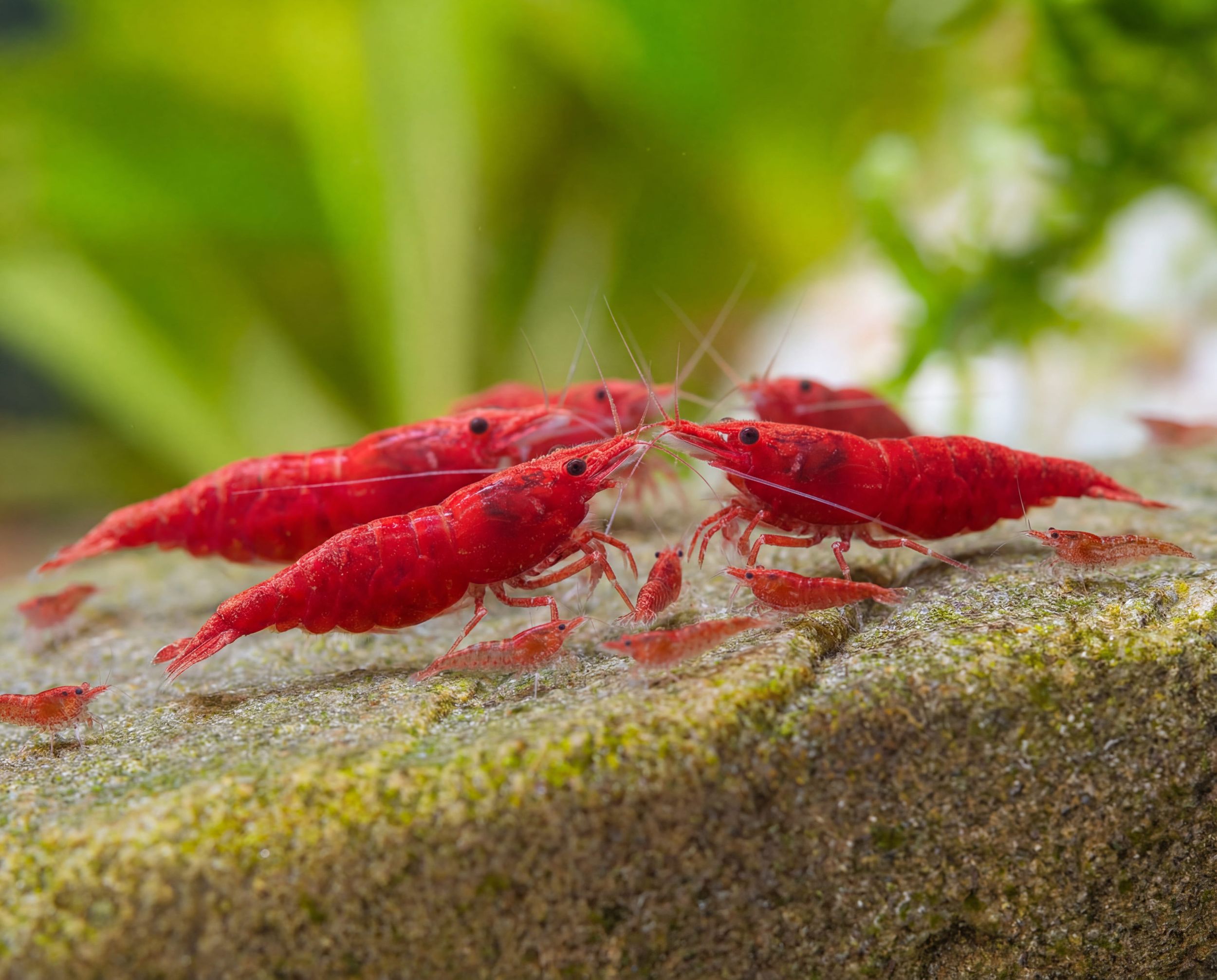
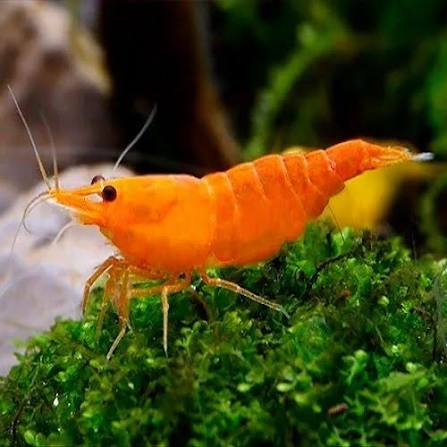
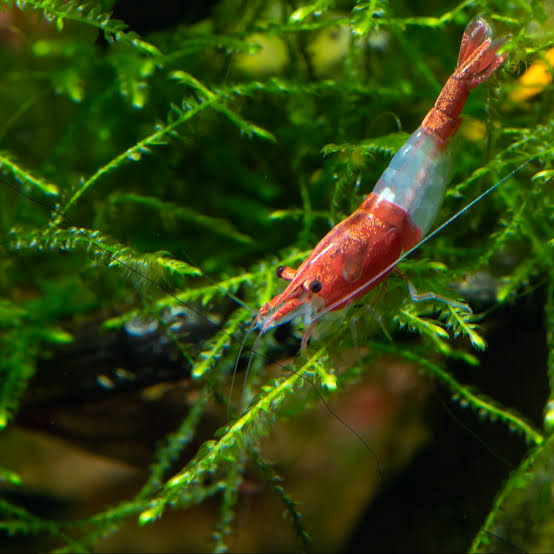
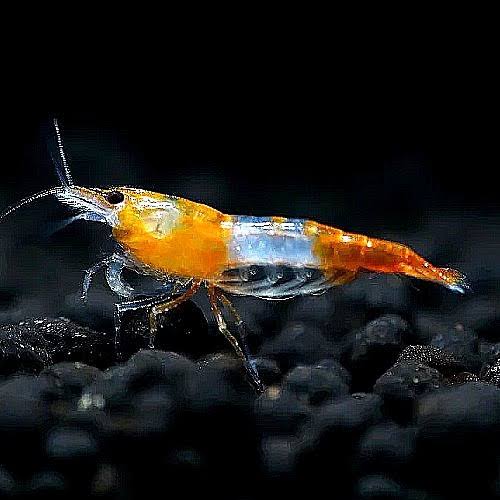
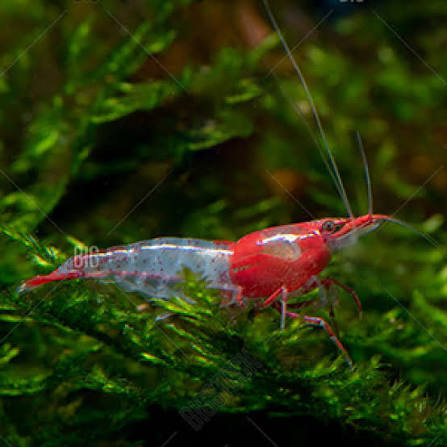
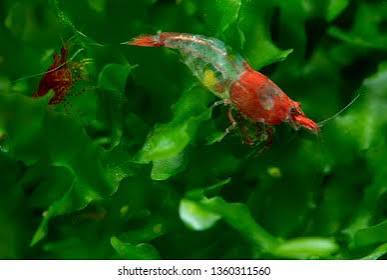
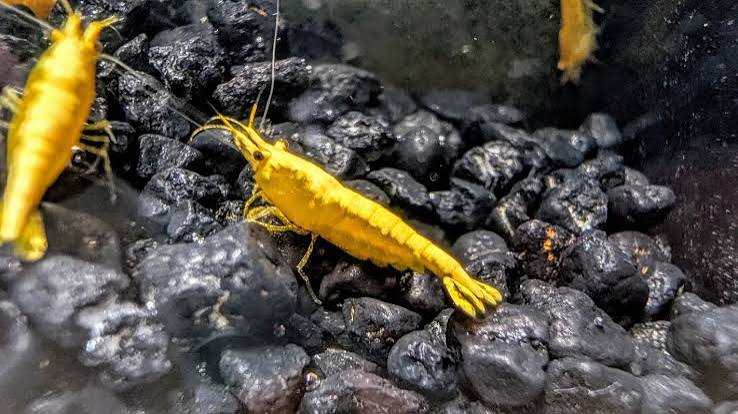
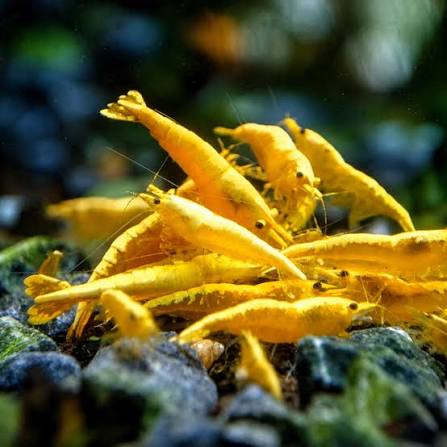
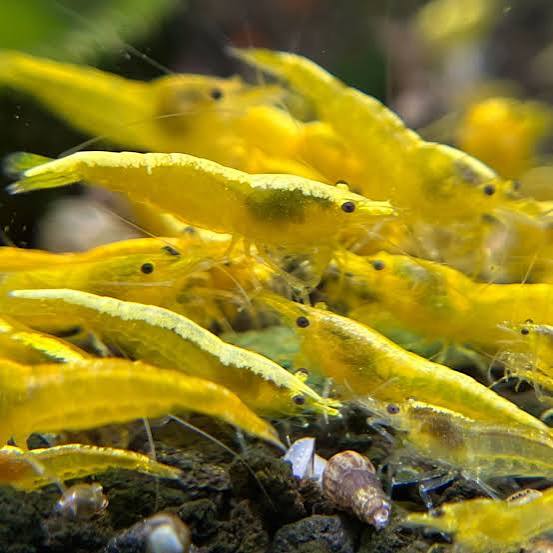
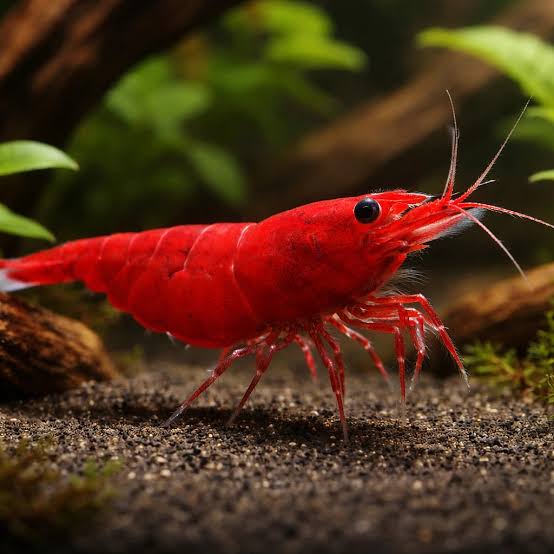
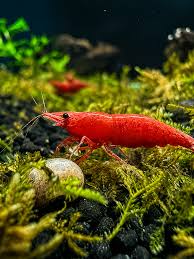
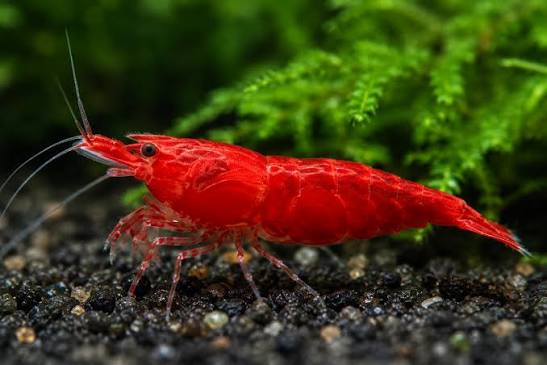
Neocaridina denticulata (commonly known as the sawtooth caridina or Japanese swamp shrimp) is a small, freshwater shrimp native to the inland streams, rivers, and slow-moving waters of East Asia, including China, Taiwan, Japan, Korea, Vietnam, and parts of Russia. Globally celebrated in the aquarium trade, it is the foundational species behind the highly popular Red Cherry Shrimp and dozens of other colorful domestic morphs.
1. Classification & Evolutionary Background
The taxonomy of the genus Neocaridina is highly complex and frequently revised by biologists using advanced genetic methods like DNA barcoding.
Wild vs. Aquarium Naming: In the scientific community, Neocaridina denticulata is recognized as a specific, distinct species. In the commercial aquarium hobby, however, the name is sometimes used interchangeably or confused with Neocaridina davidi (formerly Neocaridina heteropoda) to describe the common cherry shrimp lineage.
Prominent Subspecies: Major wild variations include the type subspecies Neocaridina denticulata denticulata and the highly influential Chinese swamp shrimp Neocaridina denticulata sinensis.
2. Aquarium Variations (Color Morphs)
While wild-type shrimp are generally translucent with subtle brown, green, or grey speckles, decades of selective breeding have unlocked an entire rainbow of varieties:
Red Strains: Cherry Shrimp, Fire Red, and Bloody Mary.
Blue & Green Strains: Blue Pearl, Blue Velvet, and Green Jade.
Specialized Morphs: New varieties like the "Hulk Orange" display a metallic green and orange segmented look that dynamic shifts lighter or darker based on the color of your aquarium substrate.
3. Ecology & Ecological Restoration
Beyond the glass walls of home aquariums, N. denticulata plays a vital role in natural aquatic food webs. Because they possess specialized grazing mouthparts, these shrimp are highly efficient at consuming filamentous algae, periphyton, and decomposing organic detritus.
Recent ecological field studies have proven that N. denticulata is highly effective as a nature-based restoration tool for troubled, nutrient-polluted (eutrophic) lakes and ponds. Introducing healthy shrimp populations has been shown to:
Reduce suffocating filamentous algae coverage by up to 85% to 90%.
Lower total water turbidity (cloudiness) by 40%.
Cause an 11-fold increase in the growth of healthy, submerged aquatic plants (macrophytes) by cleaning away light-blocking biofilms from their leaves.
4. Basic Aquarium Care & Biology
N. denticulata are exceptionally hardy, making them the ultimate choice for beginner aquarists setting up planted or nano tanks.
Water Parameters: They adapt smoothly to a wide temperature range (68°F to 84°F) and prefer stable, neutral to slightly alkaline water with zero ammonia and low nitrates. Proper mineral balance (measured by a TDS meter) is critical to help them successfully shed their old exoskeletons as they grow.
Diet: While they naturally forage on microscopic biofilm growing on live plants, they thrive when fed crushed flakes, specialized shrimp pellets, and algae wafers.
Life Cycle: Unlike many marine shrimp, N. denticulata skip the free-floating larval stage entirely. Females carry fertilized, greenish-yellow eggs for roughly 15 days before they hatch directly into miniature, fully-formed 2.3 mm versions of the adults. They reach mature breeding status in roughly 60 to 75 days.
Specification
Value
Size
1.5 cm
Reviews will be added later.
Related Products
Livestock In-Store
JOD 0.75
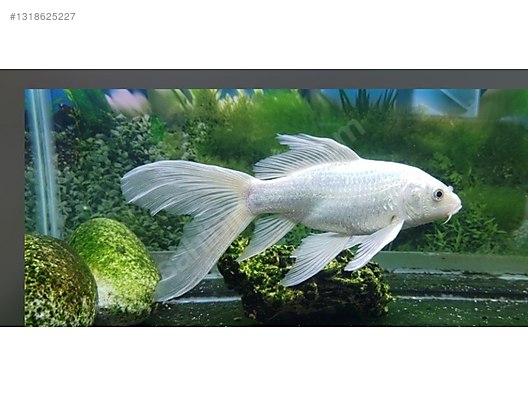
Gold fish fantail
Livestock In-Store
JOD 2.00
Panda Lyretail Molly
Livestock In-Store
JOD 85.00
Assorted Discus fish 6.25"
Livestock In-Store
JOD 60.00
Assorted Discus fish 5.5"
Livestock In-Store
JOD 45.00
Assorted Discus fish 4.5"
Livestock In-Store
JOD 40.00
Assorted Discus fish 4"
Livestock In-Store
JOD 7.00
Platinum Butterfly Koi
Livestock In-Store
JOD 0.75
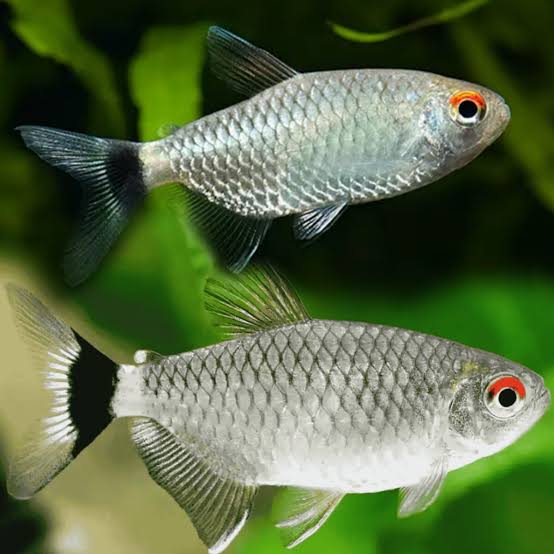
Red Eye Tetra
Sign in to track orders, manage your cart, and checkout faster.
Active Sale
Fresh offers are waiting.
Selected products are currently discounted for a limited time.